

Many manufacturing leaders are aware of visible waste such as excess inventory, defective products, and inefficient processes. However, some of the most significant costs within a business are hidden beneath the surface.
The term Hidden Factory describes the resources consumed correcting mistakes, managing failures, and compensating for process weaknesses that should not exist in the first place. These costs are rarely visible as a separate line on a profit and loss statement, yet they can significantly impact operational performance and profitability.
Examples of hidden factory costs include:
Many organisations underestimate the scale of their hidden factory because these activities have become accepted as part of normal operations. In reality, they consume capacity, reduce productivity, and increase operating costs.

A hidden factory creates additional work that should never have been required.
When processes are unstable, organisations often compensate by adding extra checks, additional administration, overtime, expediting activities, or rework. While these actions may help maintain customer service levels, they increase operational costs and reduce overall productivity.
Common consequences include:
The challenge is that these costs are often dispersed across the business and therefore difficult to identify clearly.
Hidden factory costs rarely exist in isolation.
For example, a quality issue may initially appear small, but the consequences can spread throughout the operation. A defect discovered late in production may require additional labour, replacement materials, production rescheduling, customer communication, and potentially compensation.
Similarly, small losses of productivity across a workforce can compound into significant financial costs over time.
This is why operational improvement focuses on identifying root causes rather than continually managing symptoms
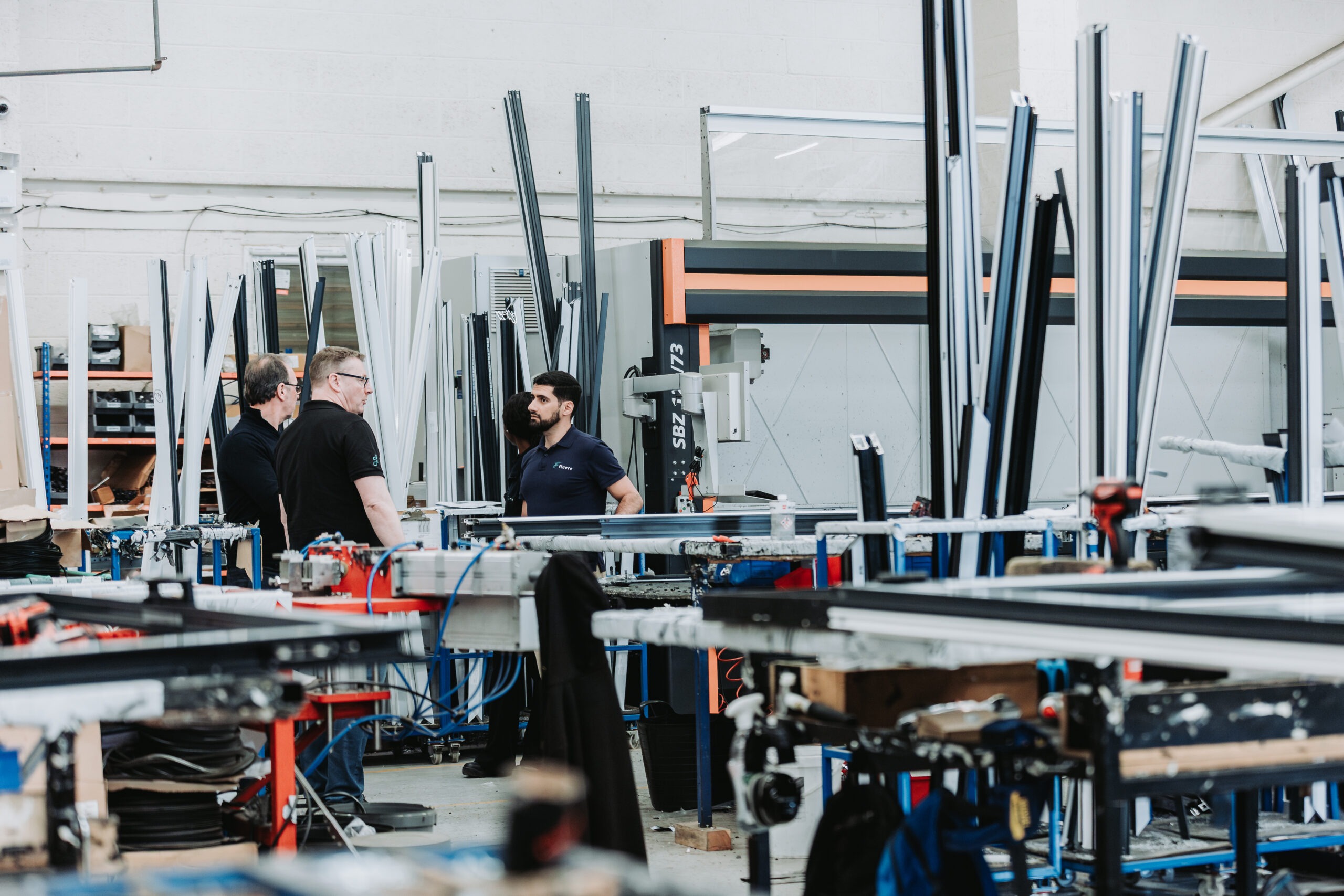

Every pound spent correcting mistakes is a pound that cannot be invested elsewhere in the business.
When quality issues, downtime, delays, and inefficiencies become part of everyday operations, organisations unknowingly create a hidden cost structure that erodes profitability.
Many businesses focus heavily on increasing sales while overlooking the significant financial gains available through reducing operational waste. Identifying and eliminating hidden factory costs often improves profitability without requiring additional customers, equipment, or facilities.
The first step in addressing a hidden factory is understanding where waste, inefficiency, and process failures exist within the operation.
Organisations that successfully reduce hidden factory costs typically focus on:
The goal is not simply to work harder. The goal is to create an operation that consistently delivers the right outcome first time.
Many businesses find it easy to measure sales, output, and turnover. Measuring the cost of failure is often far more difficult. However, organisations that identify and reduce hidden factory costs frequently unlock significant improvements in productivity, operational performance, customer satisfaction, and profitability.

But success makes it worth it.
Keeping costs down whilst increasing productivity and profit is at the heart of every business. Here at Fluere we are specialists in analysing businesses to identify where your factory can improve and drive better results.
We help UK manufacturers achieve and sustain market-leading efficiency by significantly reducing downtime, improving throughput, and increasing operational performance.
Email us at info@fluere.co.uk to find out what we can do for your business.