
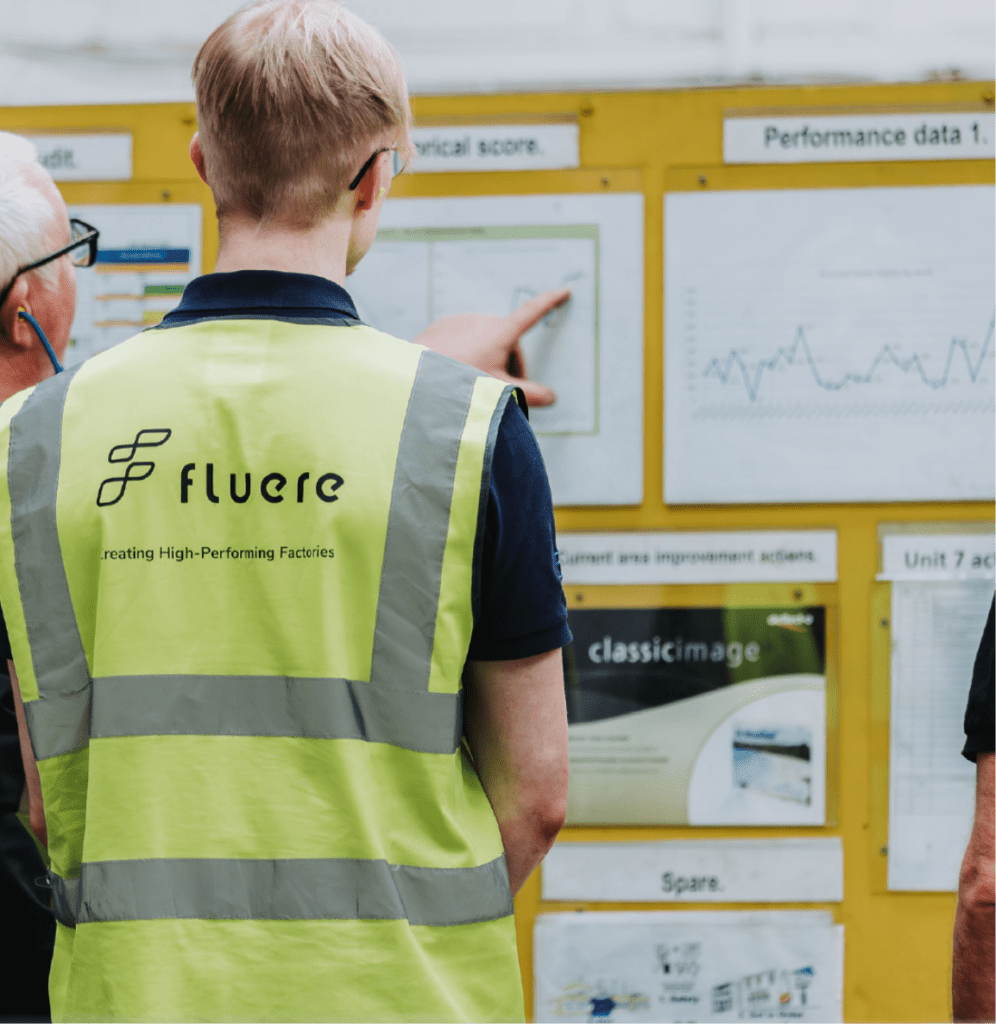
Lean manufacturing is a proven operational improvement methodology focused on delivering more value to customers while reducing waste throughout the organisation.
The principles of Lean help manufacturers improve productivity, shorten lead times, reduce unnecessary cost, improve quality, and create more efficient operational systems.
Although Lean is often associated with manufacturing, its principles can be applied across warehousing, logistics, supply chain operations, and service environments.
At its core, Lean focuses on understanding what customers value, identifying activities that do not add value, and continuously improving how work flows through the organisation.

Lean begins by understanding exactly what creates value for the customer. Activities can then be classified as value-adding, business-essential, or wasteful. Organisations often discover that only a small percentage of their total process time genuinely adds value.
Once value is defined, organisations must identify where waste exists throughout the process. Lean focuses on understanding how work flows and where activities fail to contribute to customer value.
Lean seeks to ensure that work moves smoothly through the operation without delays, interruptions, bottlenecks, or unnecessary handovers. Improving flow often reduces lead times and increases productivity.
Rather than producing based on forecasts alone, Lean encourages organisations to produce in response to actual customer demand. This helps reduce inventory, minimise overproduction, and improve responsiveness.
Lean is not a one-time project. Organisations continuously identify opportunities to eliminate waste, improve performance, and move closer to operational excellence.
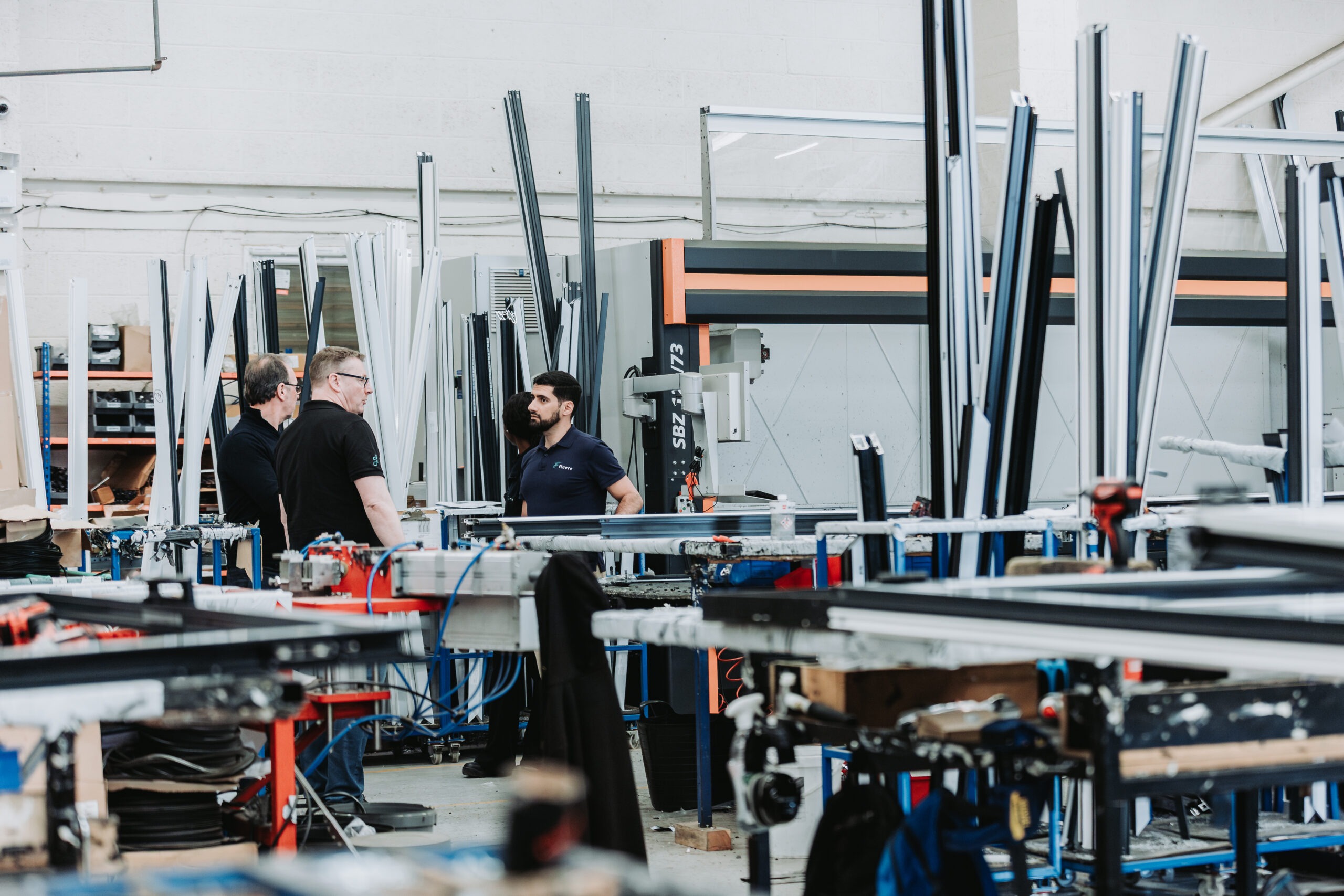

Lean focuses on understanding what customers truly value and eliminating activities that do not contribute to that value.
By identifying waste throughout processes, organisations can improve productivity, reduce lead times, and lower operational costs.
Lean creates a culture where teams continually improve processes, solve problems, and strengthen operational performance over time.
One of the most recognised Lean concepts is the identification of waste through the TIM WOODS framework. These eight categories represent activities that consume resources without adding customer value:
Identifying and reducing these wastes helps organisations improve operational flow, increase productivity, reduce cost, and strengthen customer service.
But success makes it worth it.
Keeping costs down whilst increasing productivity and profit is at the heart of every business. Here at Fluere we are specialists in analysing businesses to identify where your factory can improve and drive better results.
We help UK manufacturers achieve and sustain market-leading efficiency by significantly reducing downtime, improving throughput, and increasing operational performance.
Email us at info@fluere.co.uk to find out what we can do for your business.