
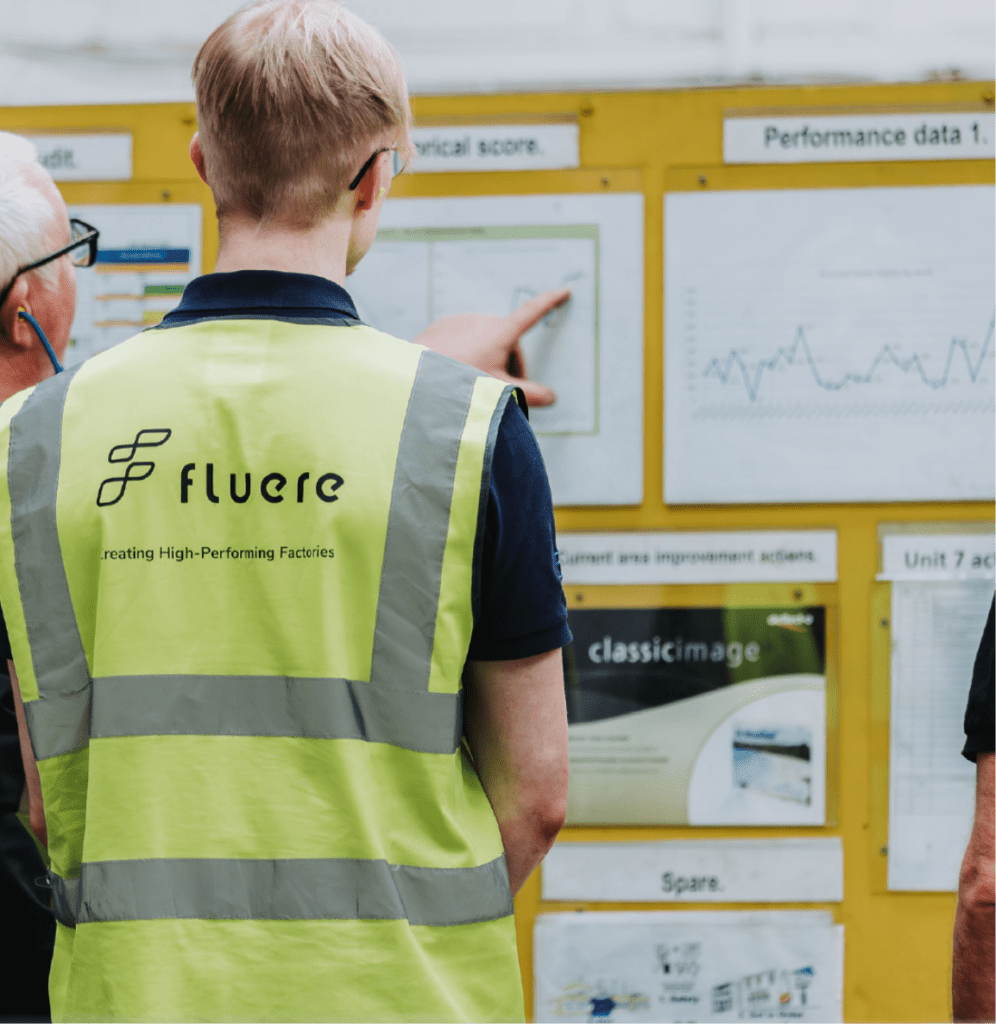
Whether you're experiencing rising costs, increasing customer expectations, labour shortages, or growing competition, continuous improvement has become essential for UK manufacturers.
Many businesses know they need to improve, but they're often unsure where to start. Some invest in Lean Manufacturing training, while others introduce Six Sigma projects or purchase new technology, expecting immediate results.
Unfortunately, these initiatives don't always deliver the expected benefits.
The reason is simple: a methodology is only as effective as the problem it's trying to solve.
Successful manufacturers don't begin by asking, "Should we use Lean or Six Sigma?" They begin by asking:
By understanding these questions first, organisations can implement the right process improvement methodology in the right place.
Process improvement isn't about introducing more tools. It's about creating a business that operates more effectively, serves customers better, and delivers stronger commercial results.
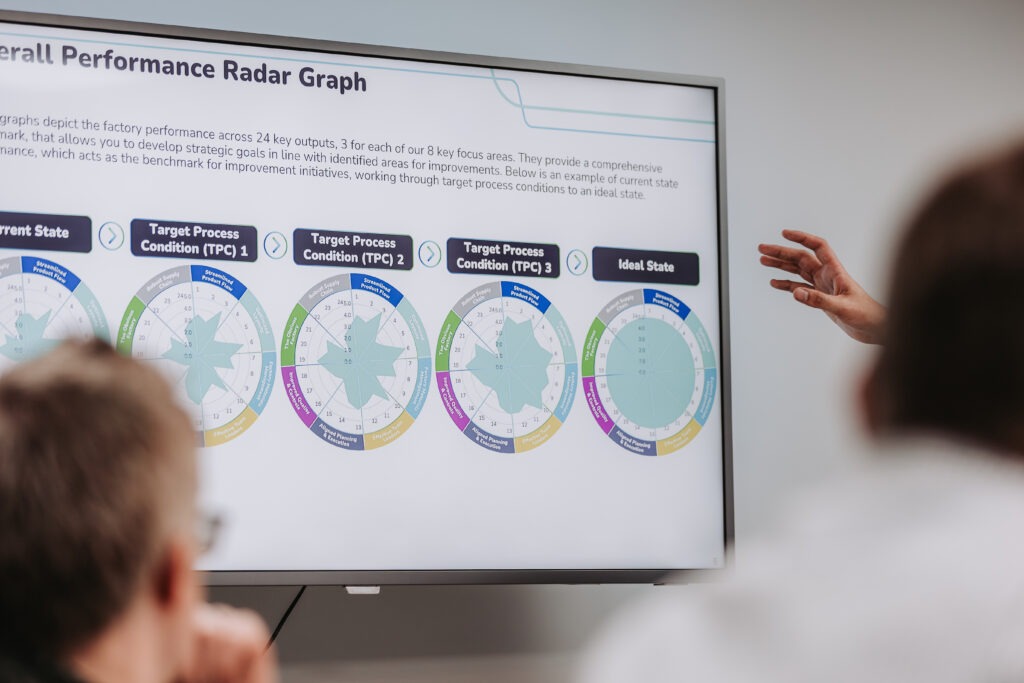
Before making changes, it's essential to understand how your operation currently performs.
This means analysing: Productivity, Operational flow, Work in Progress (WIP), Lead times, Delivery performance, Quality performance and Capacity utilisation
Without a clear understanding of the current state, improvement projects often focus on symptoms rather than root causes.Every manufacturing operation has factors limiting performance.
These could include:
Lean Manufacturing, Six Sigma, Kaizen, and the Theory of Constraints all have their place.
Lean focuses on improving flow and eliminating waste.
Six Sigma reduces variation and improves quality.
The Theory of Constraints identifies the bottleneck limiting overall performance.
Choosing the right methodology depends on the problem you're trying to solve, not the latest trend.No improvement programme succeeds without the people who operate the processes every day.
Employees often understand where delays, waste, and frustrations exist better than anyone else.
Involving teams early helps generate practical improvement ideas, increases engagement, and creates ownership of the changes.Large-scale transformation rarely happens overnight.
Breaking improvements into manageable phases allows organisations to test ideas, measure results, and make adjustments before rolling changes out across the business.
This approach also reduces disruption and builds confidence throughout the organisation.Implementation is only the beginning.
Successful manufacturers establish clear performance measures and regular operational reviews to ensure improvements continue delivering value.
Without ongoing monitoring and leadership support, many organisations gradually return to previous ways of working.
Continuous improvement is exactly that.. continuous.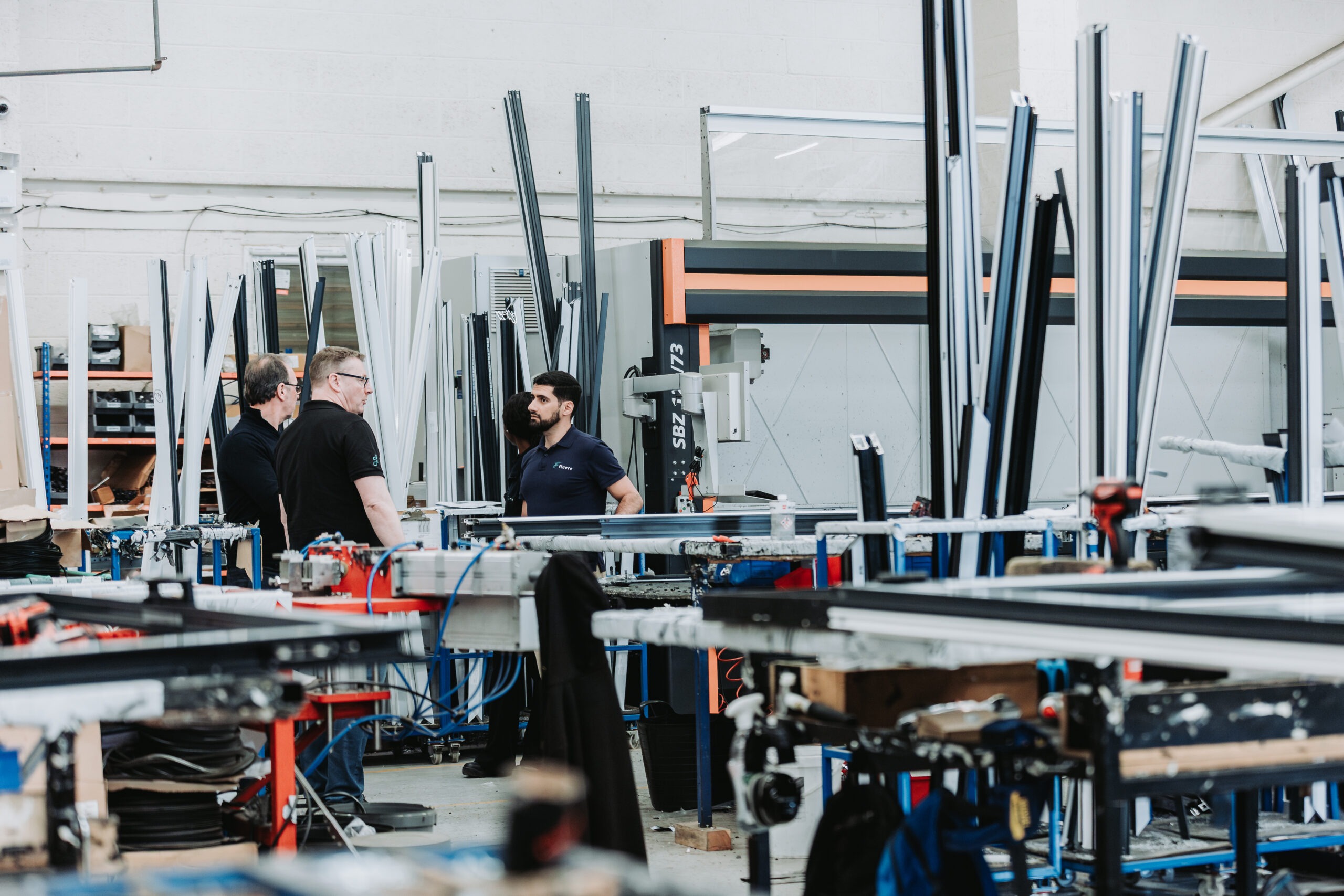

Many process improvement programmes fail.. not because the methodology is ineffective, but because of how it's implemented.
Some of the most common mistakes include:
Introducing Lean Manufacturing or Six Sigma before understanding the real operational challenges often leads to disappointing results.
Attempting to fix every issue simultaneously spreads resources too thin and makes it difficult to achieve meaningful improvements.
Prioritising high-impact opportunities creates faster and more sustainable results.
Improvement decisions should be based on facts, not assumptions.
Using operational data helps identify trends, measure progress, and ensure resources are focused where they will have the greatest impact.
Change imposed from the top rarely lasts.
Successful improvement programmes involve employees throughout the process and encourage continuous feedback.
Operational improvement isn't a project with a finish line.
The highest-performing manufacturers embed continuous improvement into their culture through regular reviews, leadership engagement, and ongoing capability development.
Every manufacturing organisation is different, which means there is no single methodology that guarantees success.
The businesses that consistently improve productivity, reduce lead times, strengthen quality, and increase profitability all have one thing in common: they understand their operation before deciding how to improve it.
Whether the solution involves Lean Manufacturing, Six Sigma, the Theory of Constraints, or a combination of approaches, the methodology should support the business strategy - not define it.
At Fluere, we believe successful process improvement begins with operational clarity. Once organisations understand where performance is being lost and why, they can prioritise the right improvements, build the capability to deliver change, and establish the controls needed to sustain it.
That approach creates lasting improvements.. not just successful projects.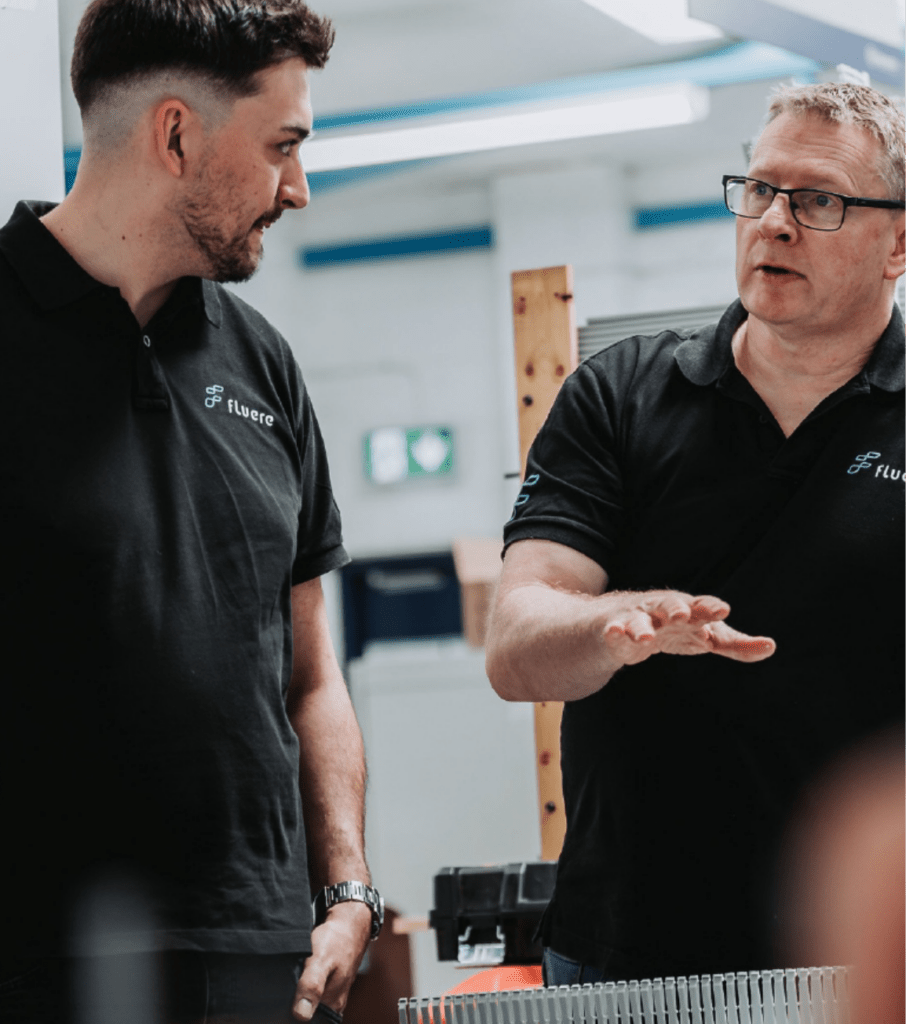
But success makes it worth it.
Keeping costs down whilst increasing productivity and profit is at the heart of every business. Here at Fluere we are specialists in analysing businesses to identify where your factory can improve and drive better results.
We help UK manufacturers achieve and sustain market-leading efficiency by significantly reducing downtime, improving throughput, and increasing operational performance.
Email us at info@fluere.co.uk to find out what we can do for your business.