
Waiting is one of the most common forms of waste in manufacturing, but its true cost can be difficult to see. From employees waiting for materials to products waiting between processes, small delays can quickly affect productivity, lead times, capacity and operational performance.
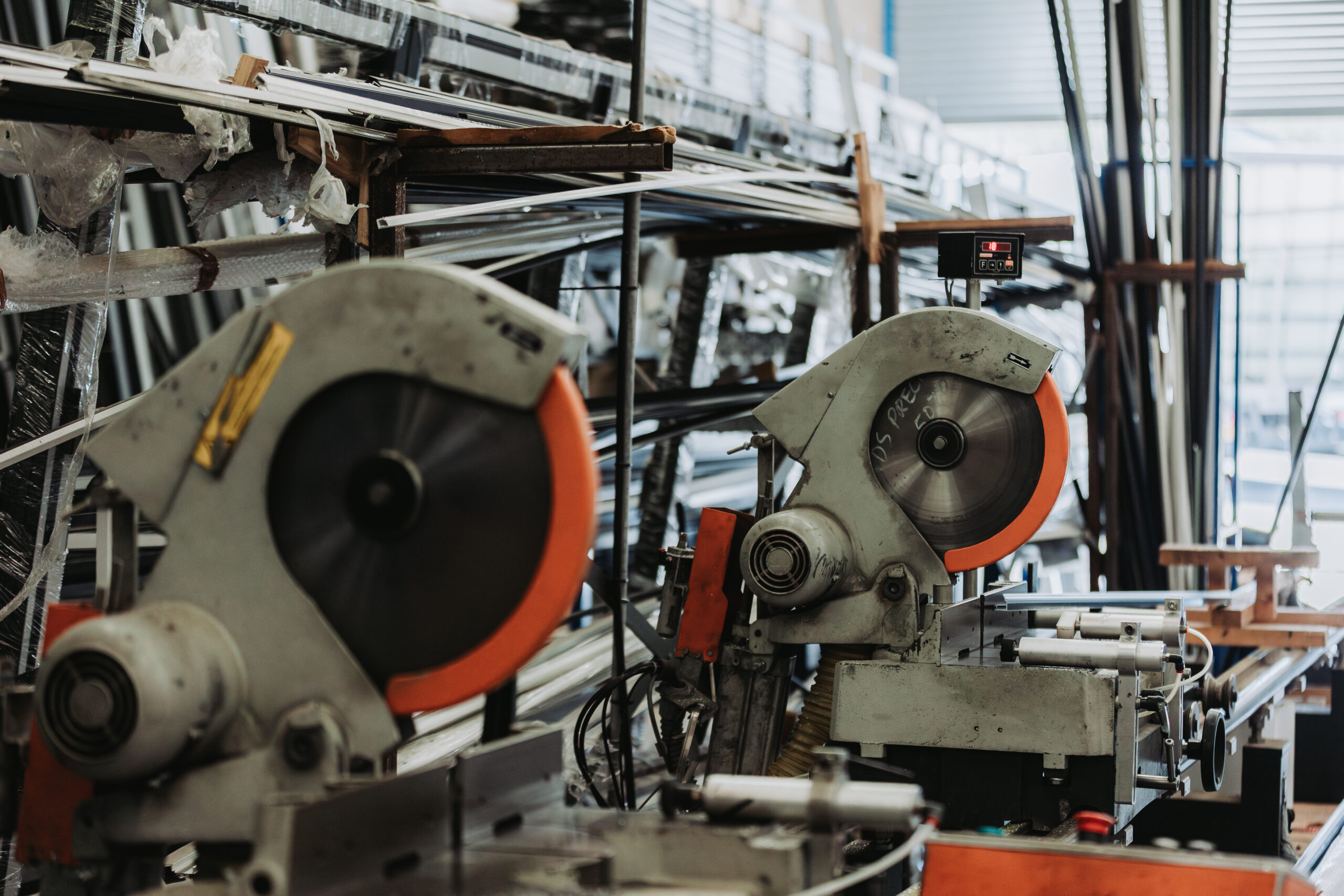

Waiting is a normal part of many manufacturing environments.
Employees wait for materials, machines wait for operators, products wait for inspection and orders wait for approval. Individually, these delays may appear insignificant. However, when they happen repeatedly across a manufacturing operation, the accumulated impact can be substantial. Waiting is one of the eight wastes identified within Lean Manufacturing. Unlike visible waste such as defective products or excess materials, waiting can be more difficult to recognise because it often becomes accepted as part of the normal working day. At Fluere, we believe that being busy does not necessarily mean being productive. A factory can have people working continuously and machines running throughout the day while significant amounts of time are still being lost through waiting. The challenge is therefore not simply to identify that waiting is happening. It is to understand where it occurs, why it occurs and what impact it has on the wider operation. Reducing waiting can improve the flow of work through a manufacturing business, helping organisations make better use of their people, equipment and available capacity.
Production can be delayed when the materials, components or consumables required to complete a job are not available when they are needed.
This can result from supply issues, poor stock control, inaccurate planning or a lack of visibility between purchasing, stores and production. Even when materials eventually arrive, the original delay can create disruption elsewhere in the production schedule.Employees can spend valuable time waiting for drawings, specifications, instructions, approvals or answers to questions before they can continue with their work.
Where information is unclear or difficult to access, people may also need to stop and seek clarification. These interruptions can appear small but become significant when they occur repeatedly throughout the working day.Work can spend considerable amounts of time waiting between stages of production.
Products may be completed at one process but remain in a queue before the next operation has the capacity to continue the work. This increases work-in-progress and extends the overall time required to complete an order.Production teams may sometimes need to wait for management decisions before proceeding.
This could involve questions around priorities, quality issues, production schedules or changes to customer requirements. Where decisions are delayed, the impact can extend beyond the original issue and create further disruption throughout the operation.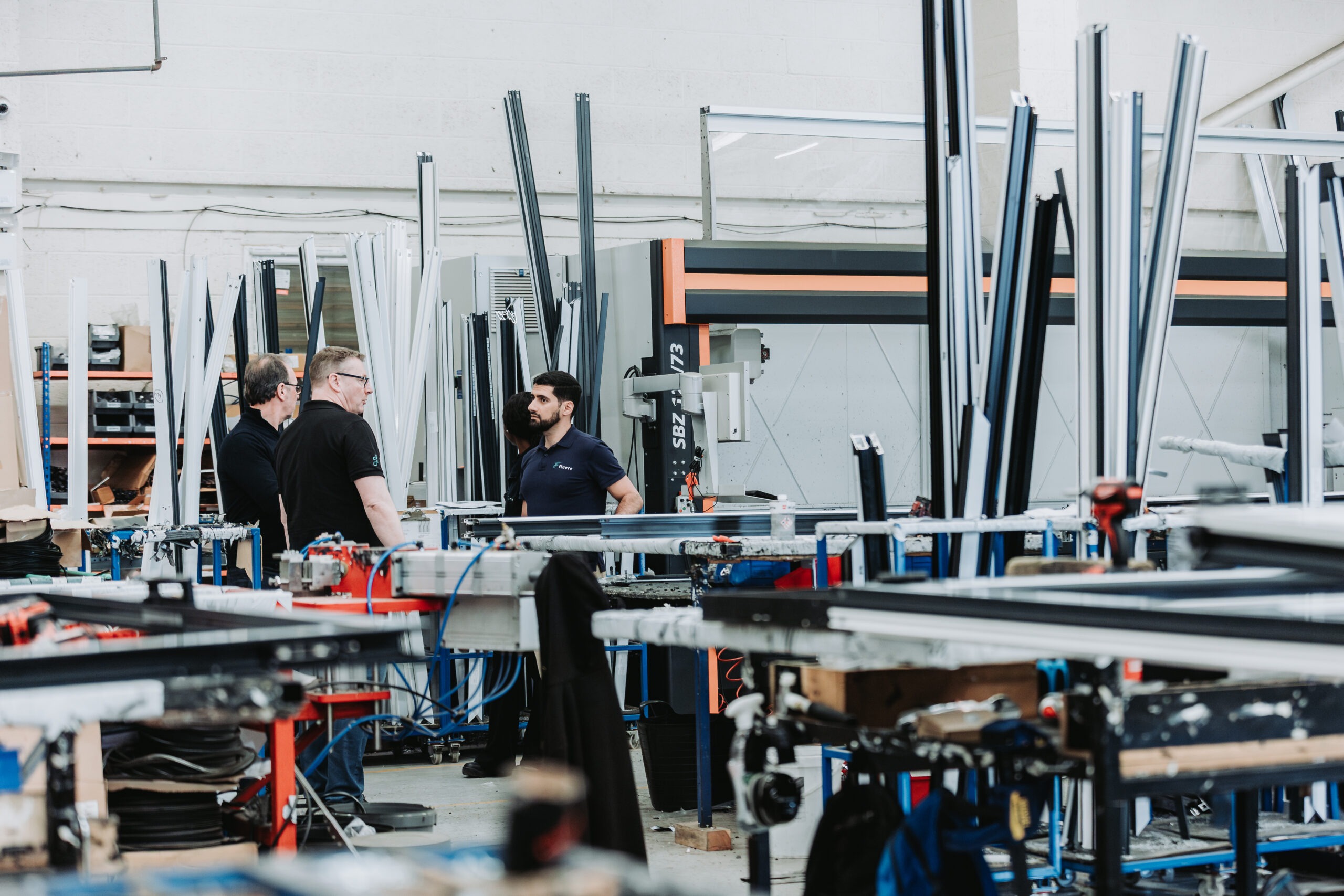

When employees are waiting for materials, information, equipment or decisions, their available working time is not being used to create value.
Repeated periods of waiting can significantly reduce productive capacity.Every time work stops unnecessarily, the overall time required to complete an order can increase.
Longer lead times can make it more difficult to meet customer requirements and respond quickly to changes in demand.Waiting between processes can result in unfinished products building up around the factory.
This takes up space, ties up working capital and can make it harder to see what is actually happening within the production process.Machines, equipment and production areas represent valuable capacity.
When they are waiting for materials, information, operators or upstream processes, that capacity is not being fully utilised.Reducing waiting does not simply mean asking employees to work faster.
The most effective improvements come from understanding why the waiting is happening in the first place. The first step is to observe how work actually moves through the business. Following a product from the beginning of the process through to completion can reveal where work stops, where queues develop and where time is being lost. Once these areas have been identified, the underlying causes need to be understood. For example, if an operator regularly waits for materials, the problem may not simply be a lack of stock. The root cause could be inaccurate production planning, poor communication between departments, inefficient storage or materials being delivered to the wrong location. This is why simply addressing the immediate problem may not prevent it from happening again. Teams should also look at how work is balanced between processes. Where one process consistently has more work than the next stage can handle, a bottleneck can develop. This can create queues, increase work-in-progress and cause waiting throughout the operation. Involving the people who work within the process is also important. Employees often have a clear understanding of where delays occur because they experience them every day. Their knowledge can help identify practical improvements that may not be immediately obvious from production data alone. The aim should not be to eliminate every second of waiting. Some waiting is unavoidable within a manufacturing process. The objective is to identify unnecessary waiting, understand its cause and reduce the impact it has on the overall flow of work.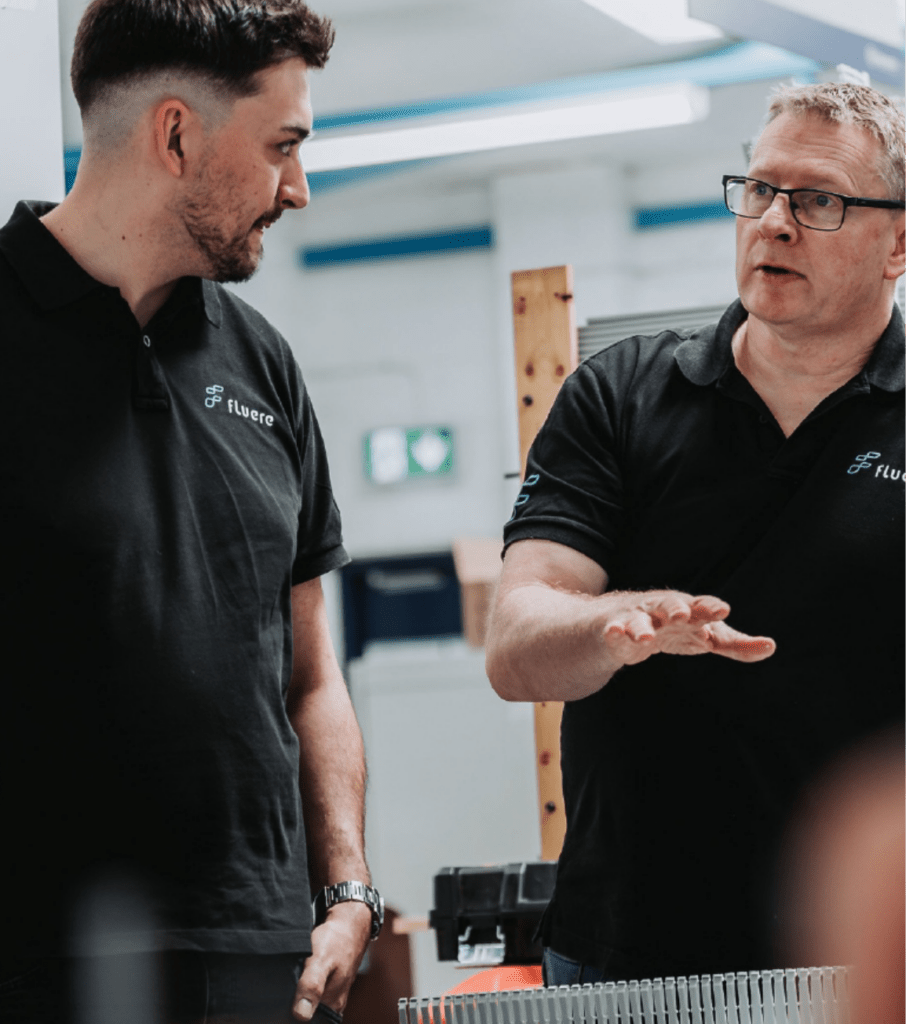
But success makes it worth it.
Keeping costs down whilst increasing productivity and profit is at the heart of every business. Here at Fluere we are specialists in analysing businesses to identify where your factory can improve and drive better results.
We help UK manufacturers achieve and sustain market-leading efficiency by significantly reducing downtime, improving throughput, and increasing operational performance.
Email us at info@fluere.co.uk to find out what we can do for your business.