
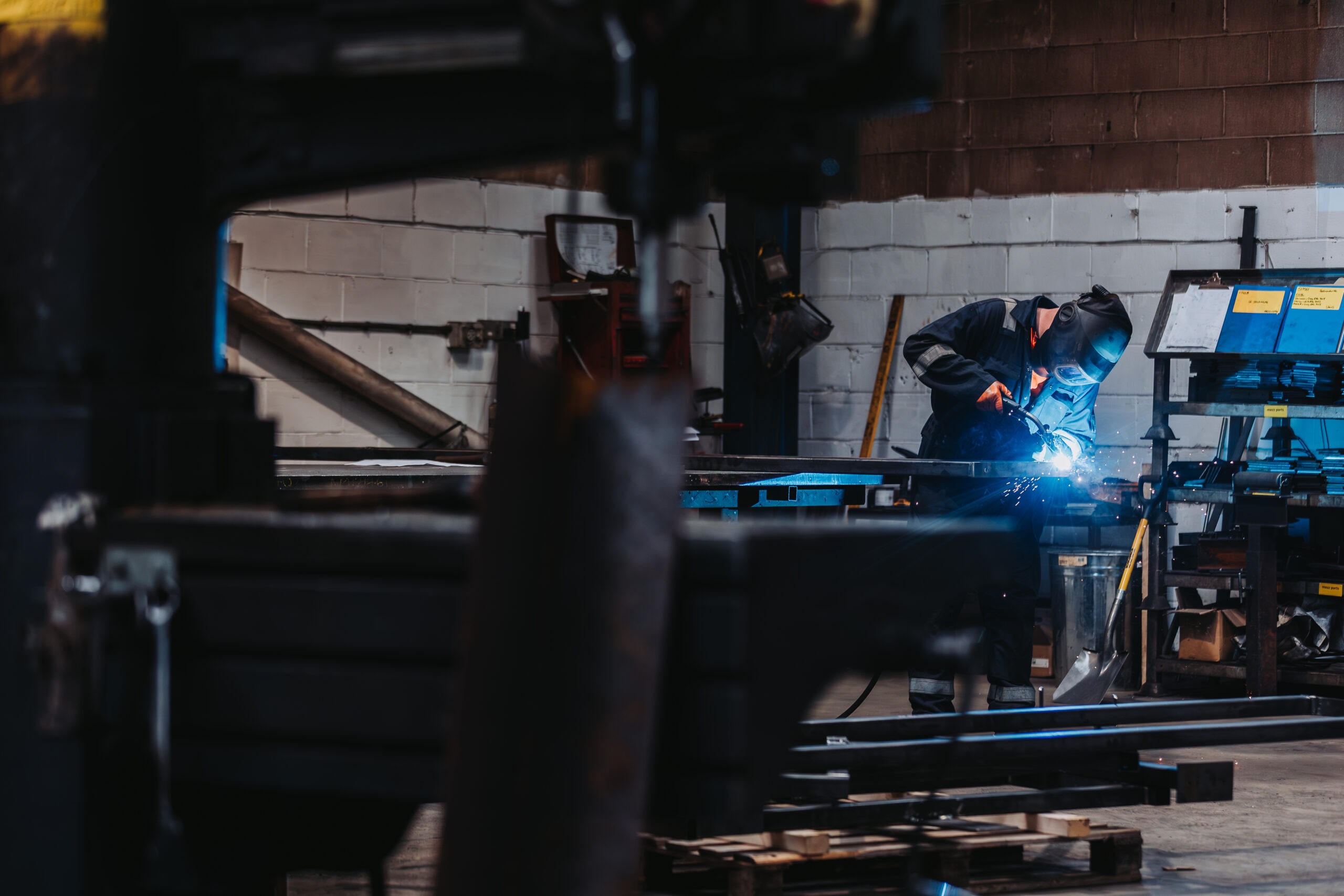

Productivity measures how much output is produced from the resources available.
In manufacturing, productivity improvement means producing more value without increasing labour, equipment, floor space, or overhead costs.
Examples include:
Efficiency measures how effectively resources are used to achieve a result.
An efficient operation produces the same output while using fewer labour hours, materials, or other resources.
Examples include:
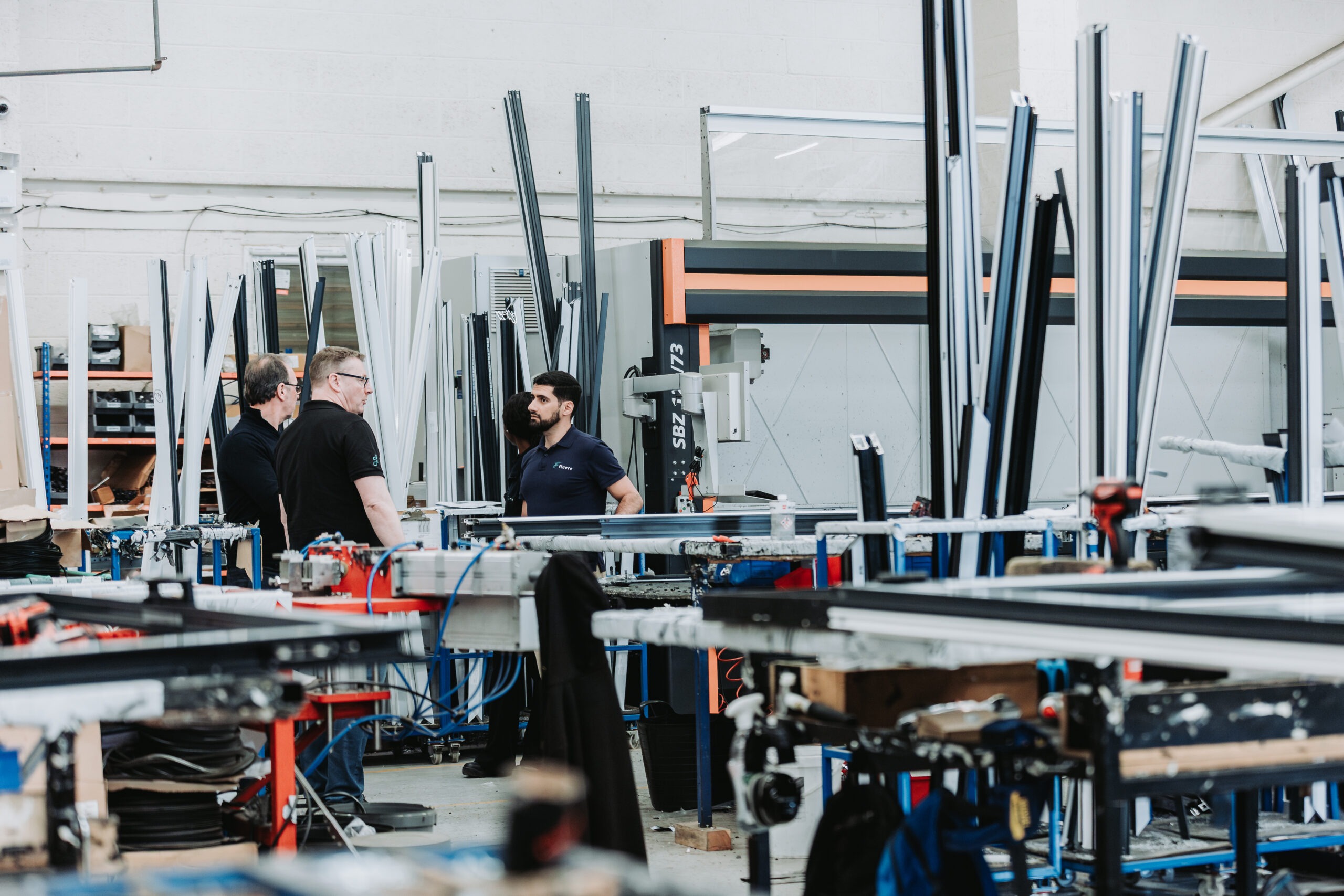

Productivity focuses on increasing the amount of output generated from existing resources. In manufacturing, higher productivity often leads to greater capacity, improved throughput, and stronger profitability without significant additional investment.
Efficiency focuses on achieving the same result while using fewer resources. This may include reducing labour hours, material waste, energy consumption, and other operational costs.
High-performing manufacturing organisations improve productivity and efficiency together. By increasing output while reducing waste, businesses strengthen operational performance, improve profitability, and create sustainable competitive advantage.
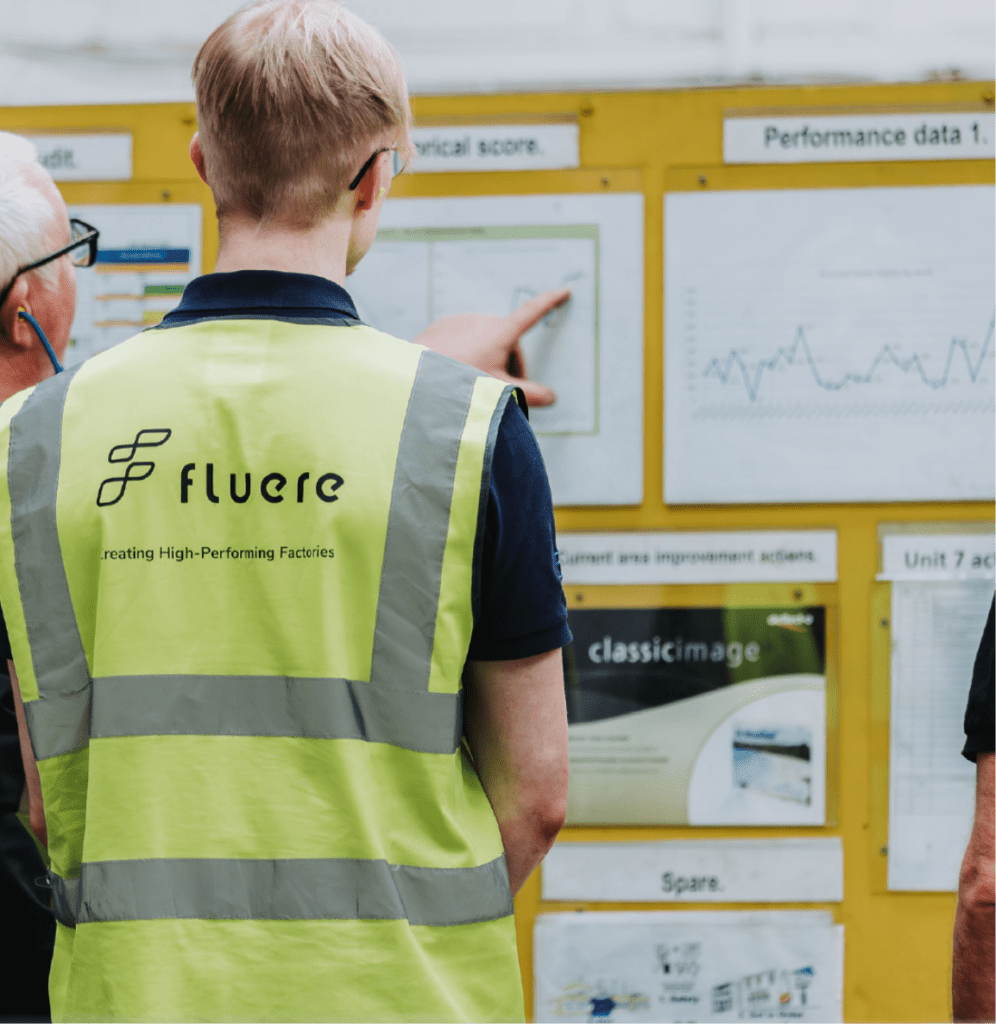
Manufacturers use a variety of metrics to measure productivity and efficiency.
Common productivity metrics include:
Common efficiency metrics include:
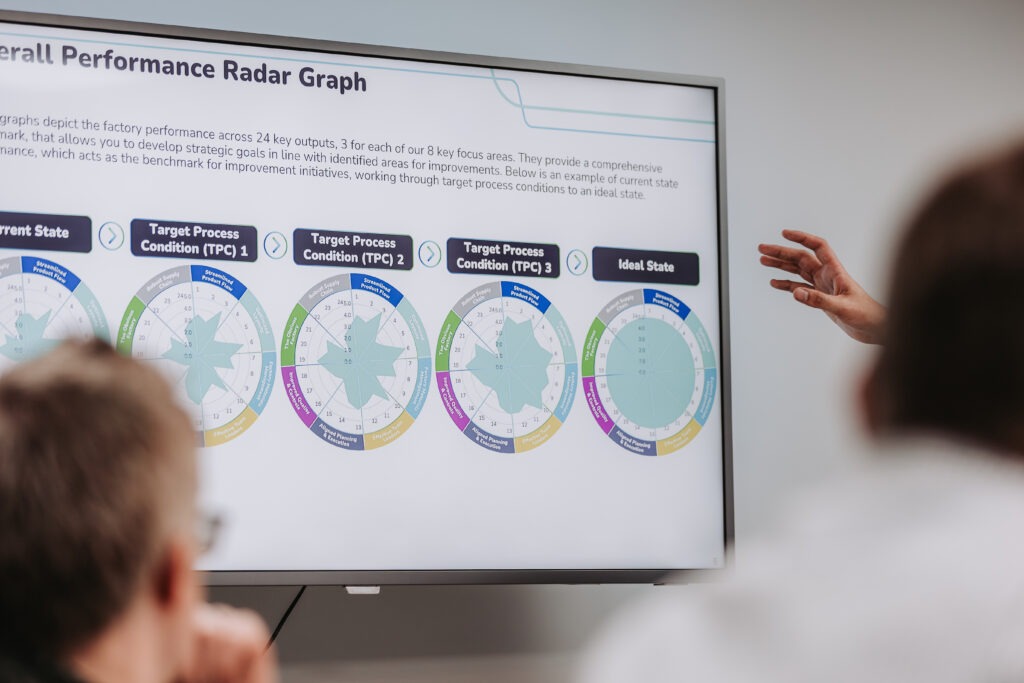
Together, these measures help organisations understand how effectively their operation is performing and where improvement opportunities exist.
But success makes it worth it.
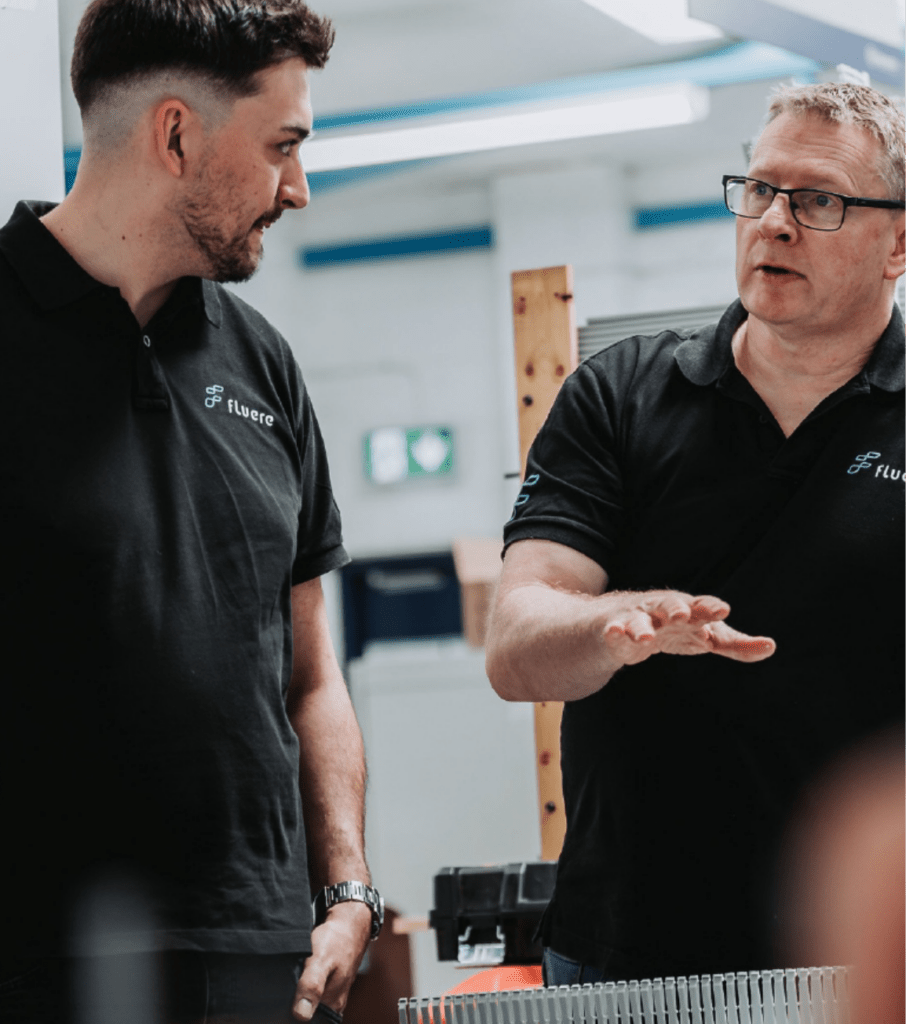
Keeping costs down whilst increasing productivity and profit is at the heart of every business. Here at Fluere we are specialists in analysing businesses to identify where your factory can improve and drive better results.
We help UK manufacturers achieve and sustain market-leading efficiency by significantly reducing downtime, improving throughput, and increasing operational performance.
Email us at info@fluere.co.uk to find out what we can do for your business.