
Manufacturing bottlenecks are one of the most common causes of poor productivity, long lead times, high work in progress (WIP), and delivery performance issues. Learn how to identify bottlenecks in manufacturing and improve operational flow across your operation.
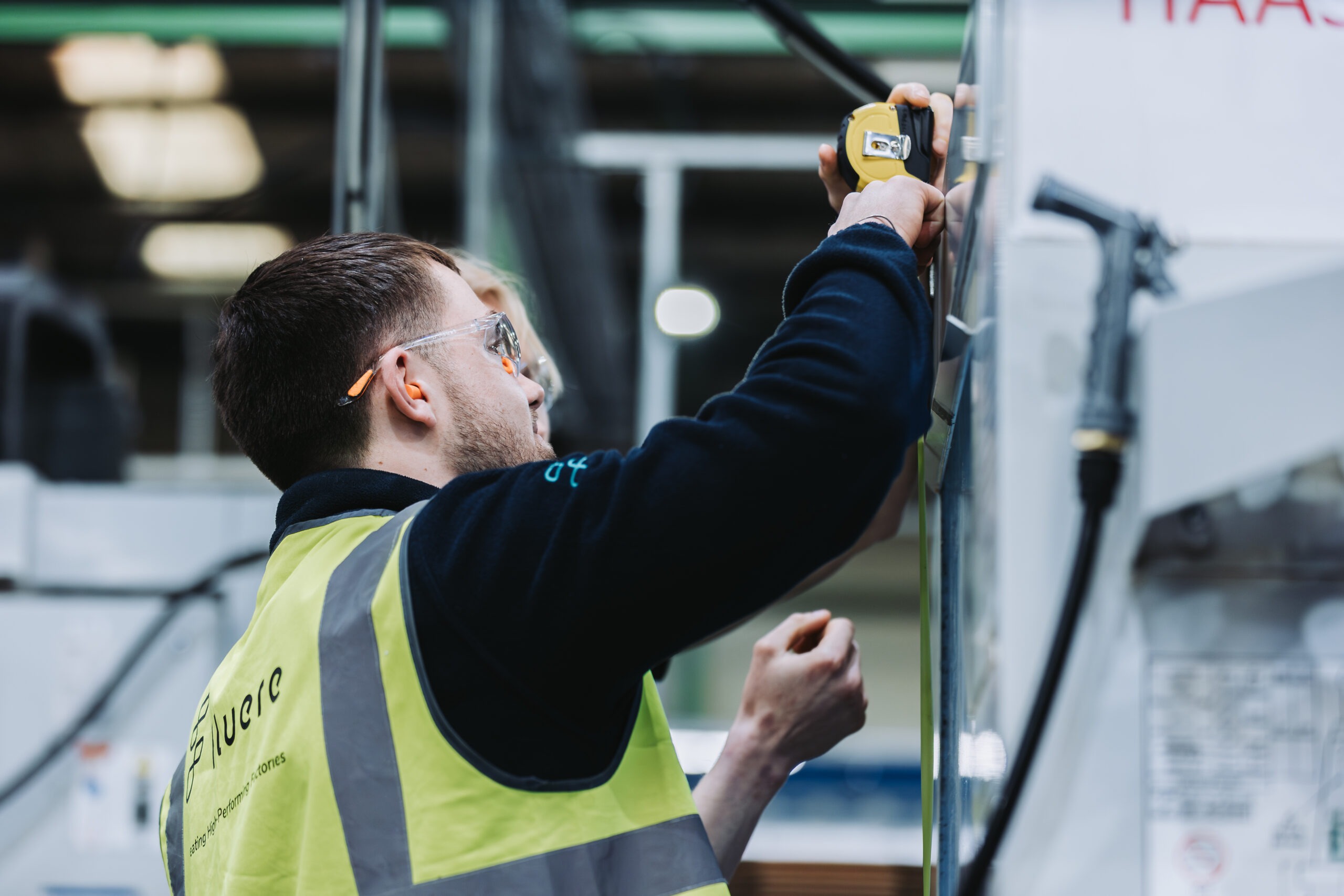
A bottleneck is any process, resource, machine, or activity that limits the overall flow of work through an operation.
Every manufacturing system has constraints. The challenge is that many organisations focus improvement efforts everywhere except the point that is actually limiting performance.
When a bottleneck exists, work begins to accumulate in front of it. Lead times increase, work in progress grows, and delivery performance becomes harder to maintain.
Common manufacturing bottlenecks can include:
The important point is that the bottleneck determines the pace of the entire operation. Improving areas that are not constrained often delivers little overall benefit.

One of the clearest signs of a bottleneck is a growing queue of work waiting to be processed.
If work consistently accumulates in front of a process, that process may be limiting flow.
Long and increasing lead times often indicate that work is spending excessive time waiting between processes.
This waiting time frequently points towards a constraint within the operation.
Resources operating close to full capacity for extended periods may indicate a potential constraint.
However, high utilisation alone does not automatically mean a bottleneck exists. The key question is whether it is limiting overall flow.
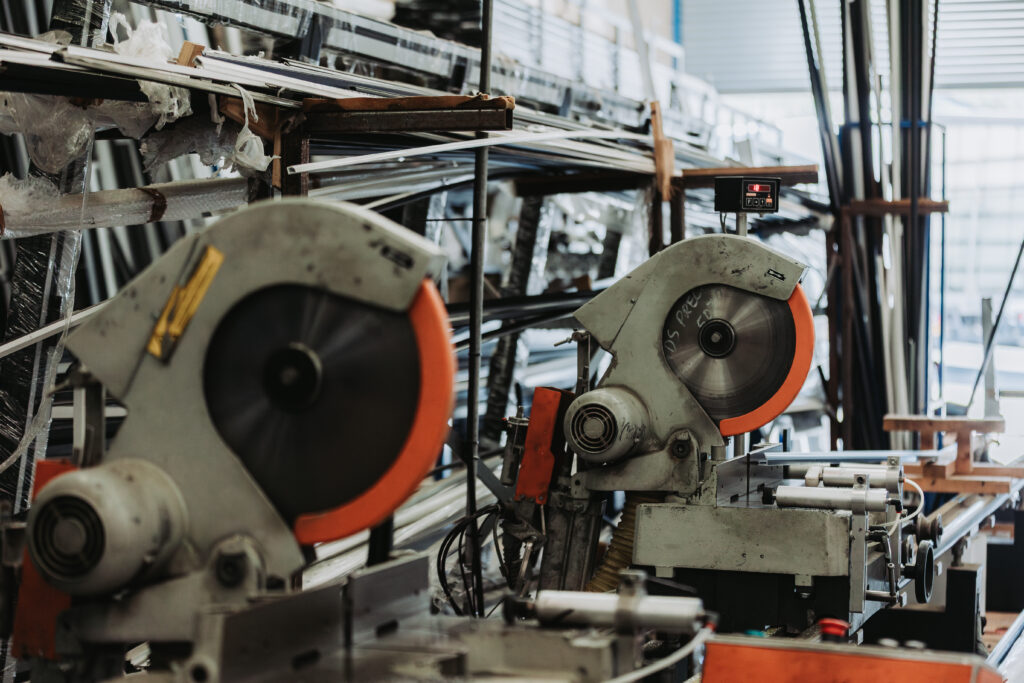
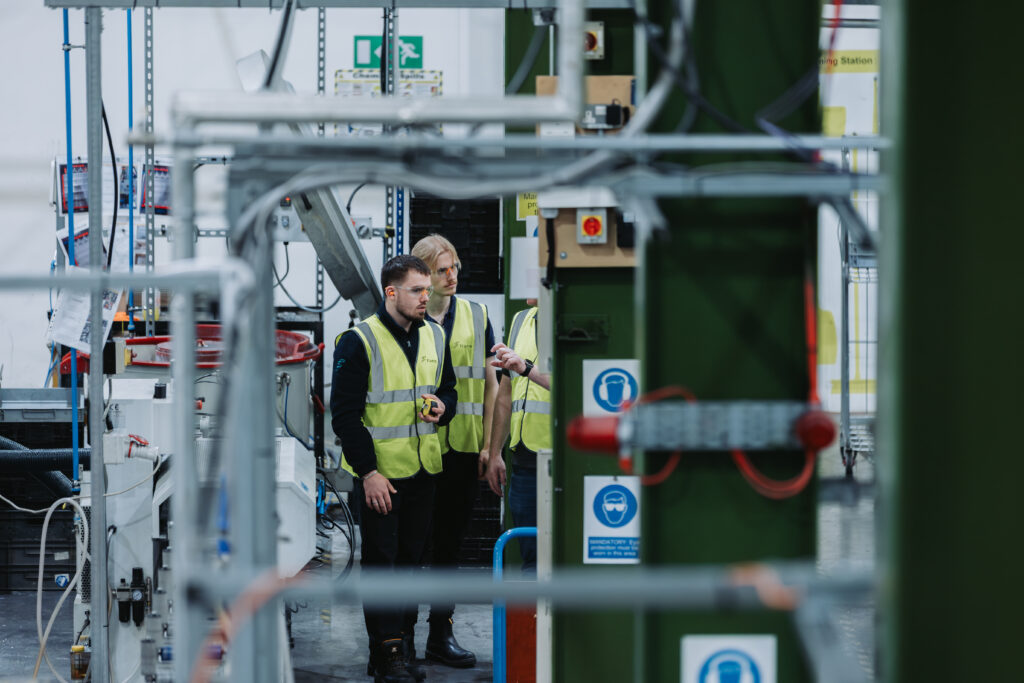
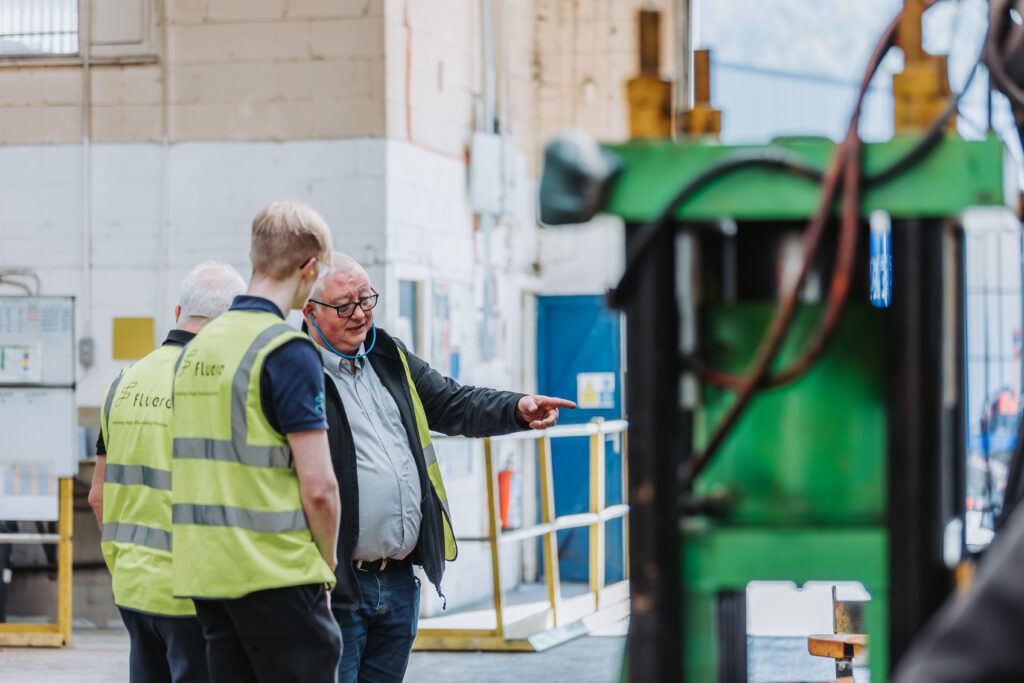
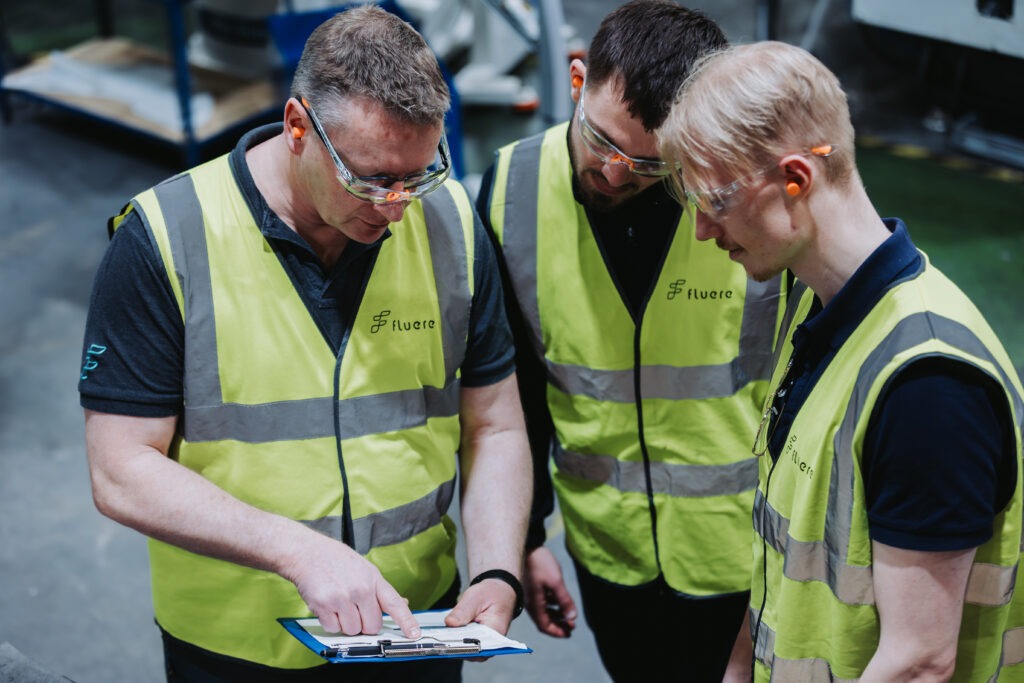
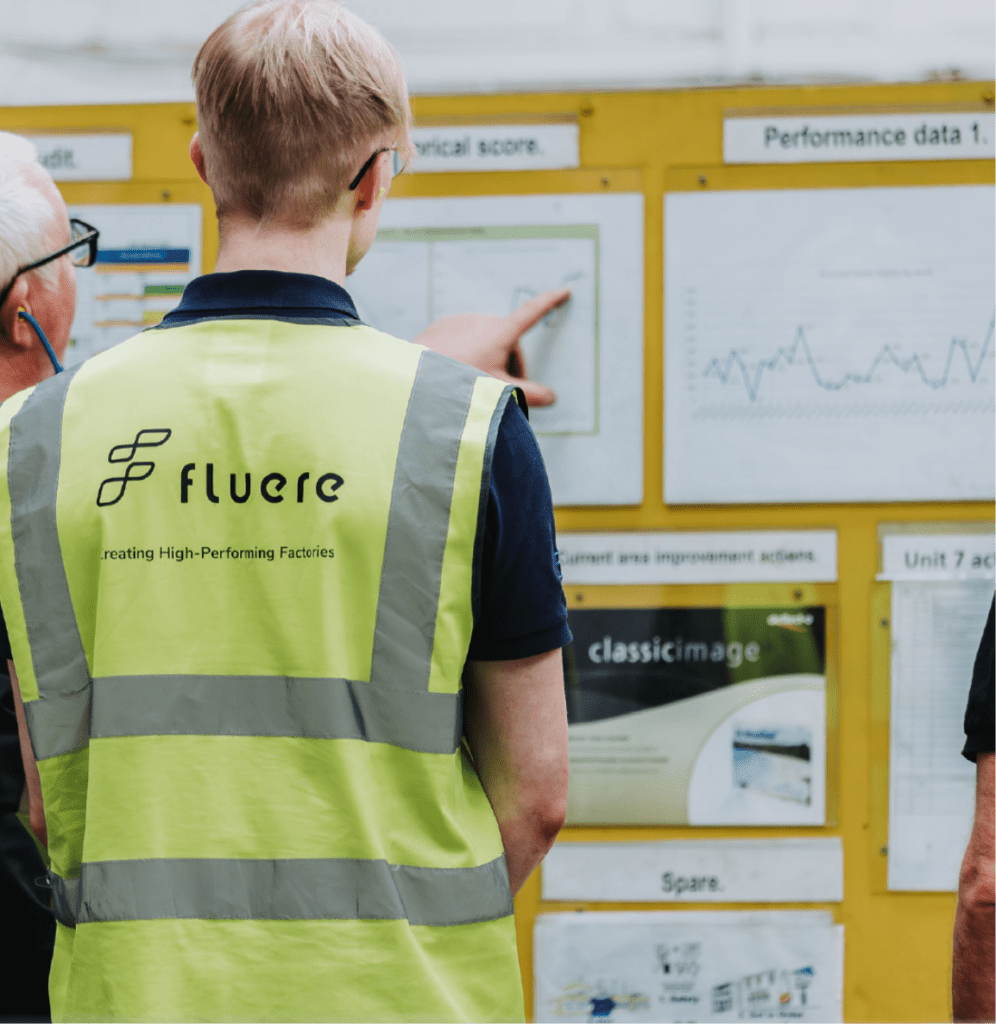
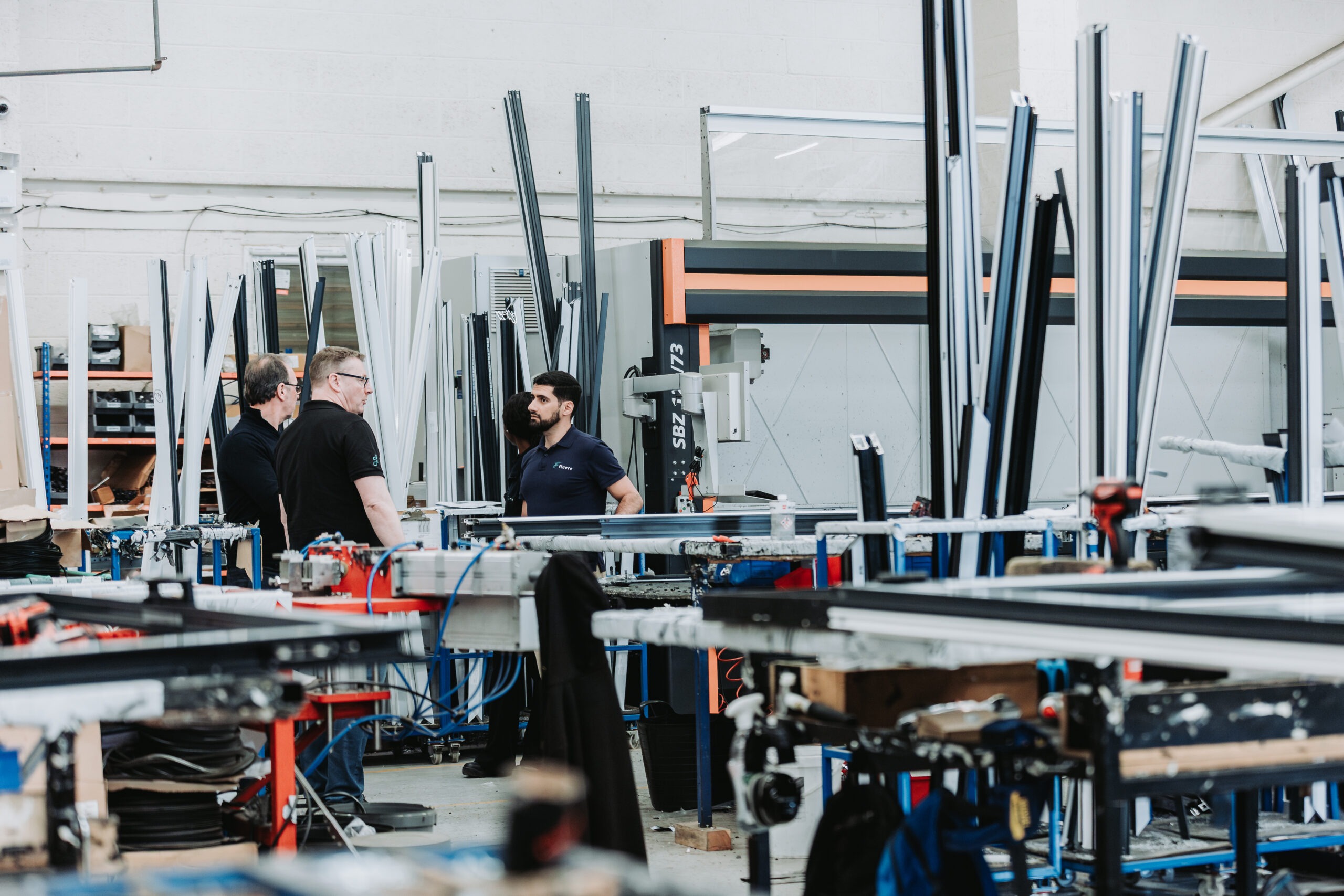
Walking the process and observing how work moves through the operation often reveals bottlenecks quickly.
Many constraints become visible when leaders spend time watching where work waits, stops, or becomes delayed.
If output is lower than expected despite strong activity across the factory, the bottleneck is often restricting throughput and limiting overall productivity.

One of the biggest mistakes organisations make is attempting to improve everything at once.
High-performing operations focus on the few constraints that have the greatest impact on overall performance.
When improvement efforts target the bottleneck, organisations often achieve significant gains in throughput, productivity, lead time, and delivery performance without major capital investment.
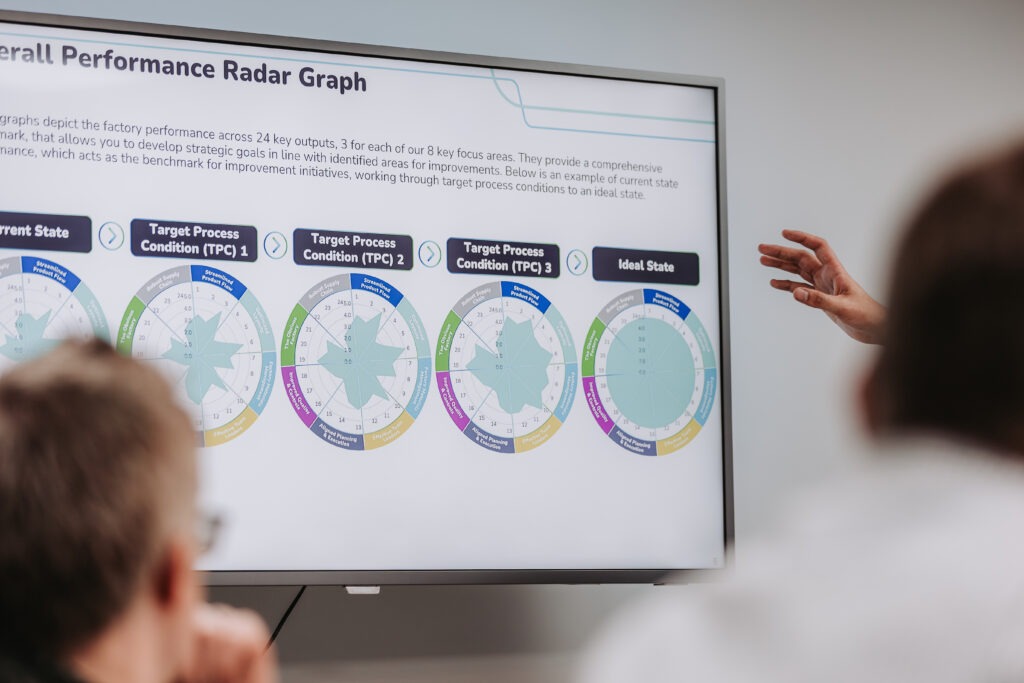
This is why successful operational improvement programmes begin with operational clarity. Before launching projects or implementing solutions, leaders need to understand what is actually limiting performance.
The goal is not to improve every process equally. The goal is to identify the constraint that governs the system and focus improvement where it will deliver the greatest operational and commercial impact.
In many manufacturing environments, solving one critical bottleneck can unlock more value than dozens of smaller improvement activities elsewhere in the operation.
But success makes it worth it.
Keeping costs down whilst increasing productivity and profit is at the heart of every business. Here at Fluere we are specialists in analysing businesses to identify where your factory can improve and drive better results.
We help UK manufacturers achieve and sustain market-leading efficiency by significantly reducing downtime, improving throughput, and increasing operational performance.
Email us at info@fluere.co.uk to find out what we can do for your business.