
Implementing a process improvement methodology can create significant improvements in manufacturing performance, but choosing a methodology is only part of the challenge. For UK manufacturers, successful implementation depends on managing the change, engaging the workforce and making sure improvements become part of everyday operations.
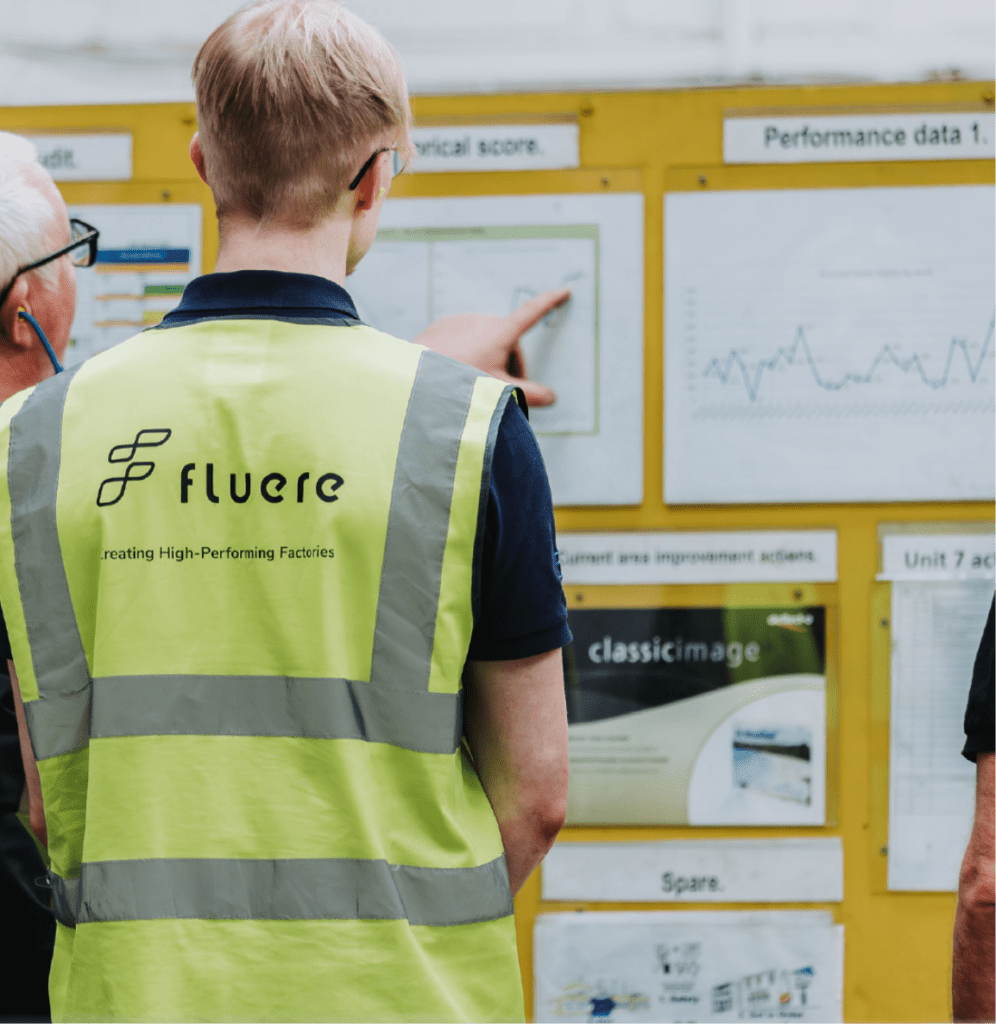
Introducing a process improvement methodology into a manufacturing business is a significant change.
Whether an organisation is introducing Lean Manufacturing, Six Sigma, continuous improvement or another structured approach, the methodology itself is only one part of the process. The real challenge is changing the way people work and ensuring those changes become sustainable.
At Fluere, we believe that improving a company means changing it. Continuing to work in the same way will continue to produce the same results.
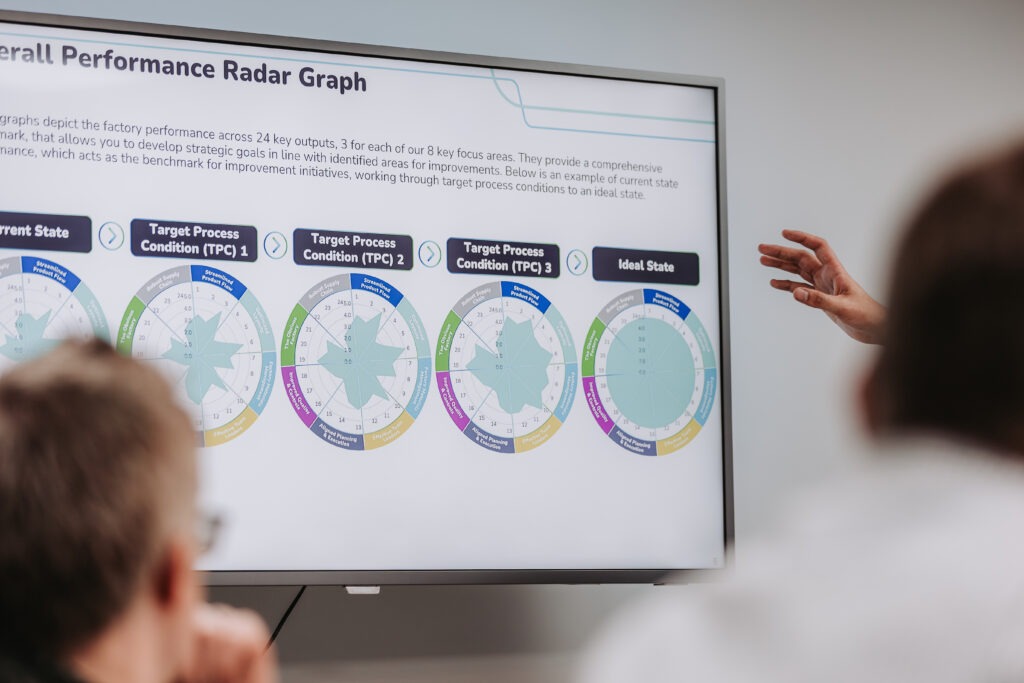
For a process improvement programme to succeed, businesses need to understand where they are now, where they want to get to, and what needs to happen to move between the two.
This means considering the change before the improvement initiative begins and continuing to manage it after the new processes have been introduced.
Without this approach, there is a risk that an improvement programme creates short-term results before the organisation gradually returns to its previous way of working.
The relationship between employees and managers can have a significant impact on how successfully change is introduced.
If employees trust the people leading the improvement programme and understand why the change is necessary, the transition is more likely to be successful.
Where trust is low, even well-designed improvement initiatives can encounter resistance.Not every improvement programme requires the same approach.
Some changes are large step changes designed to create significant improvements in performance. Others are incremental changes that gradually move the business towards a desired future state.
Understanding the type of change being undertaken helps determine how it should be introduced and managed.People need to understand what the organisation is trying to achieve.
A process improvement programme should therefore have a clear vision of the desired future state and a strategy for getting there.
Without clarity around the reason for the change, employees may struggle to understand how the improvement will affect them or the wider business.Most operational changes have an impact on employees.
Changes can disrupt established routines, create uncertainty or raise concerns about how people's roles may be affected.
These concerns need to be understood and managed rather than ignored.
Engaging the workforce throughout the process gives people an opportunity to understand the change and contribute to making it successful.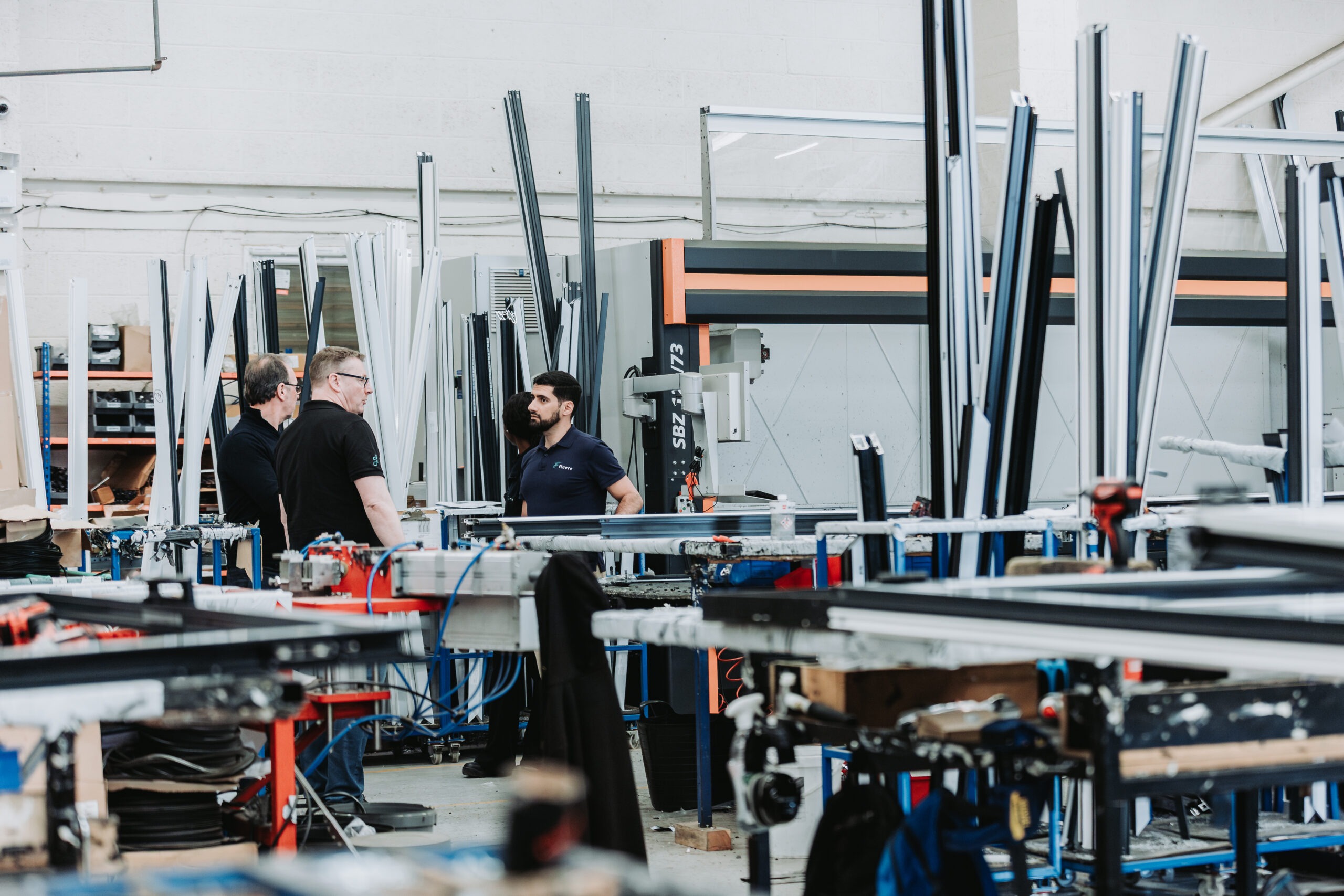

Resistance is a natural part of organisational change.
In manufacturing, employees may resist a process improvement because they do not understand why it is happening, are concerned about how it will affect their role, or are simply uncomfortable moving away from familiar ways of working.
Trying to force an entire workforce to accept a change rarely creates lasting results.
Instead, the reasons behind resistance need to be understood.
Open and respectful conversations can help uncover concerns and create an opportunity to address them. Communication between management and employees should be transparent, giving people a clearer understanding of what is changing, why it is changing and how it is expected to benefit the business and its workforce.
Key individuals within the workforce can also play an important role in helping connect management with employees. Having people who understand and support the change can help others recognise how the new approach can improve the way they perform their roles.
There is no secret formula for overcoming resistance. It requires perseverance, negotiation and clear communication.
Most importantly, the foundations of the improvement programme need to be strong. There needs to be a clear plan, an appropriate management team and a high level of understanding about why the change is taking place.Implementing a process improvement methodology should not be viewed as a one-off project.
The real measure of success is whether the organisation can maintain the improved way of working and continue building on it.
For UK manufacturing companies, this means looking beyond the introduction of Lean, Six Sigma or another improvement methodology and considering the people, leadership and systems required to sustain the change.
When the workforce understands the reason for the improvement, leaders provide the right direction, and progress is continually reinforced, process improvement can become part of the way the business operates rather than another initiative that eventually disappears.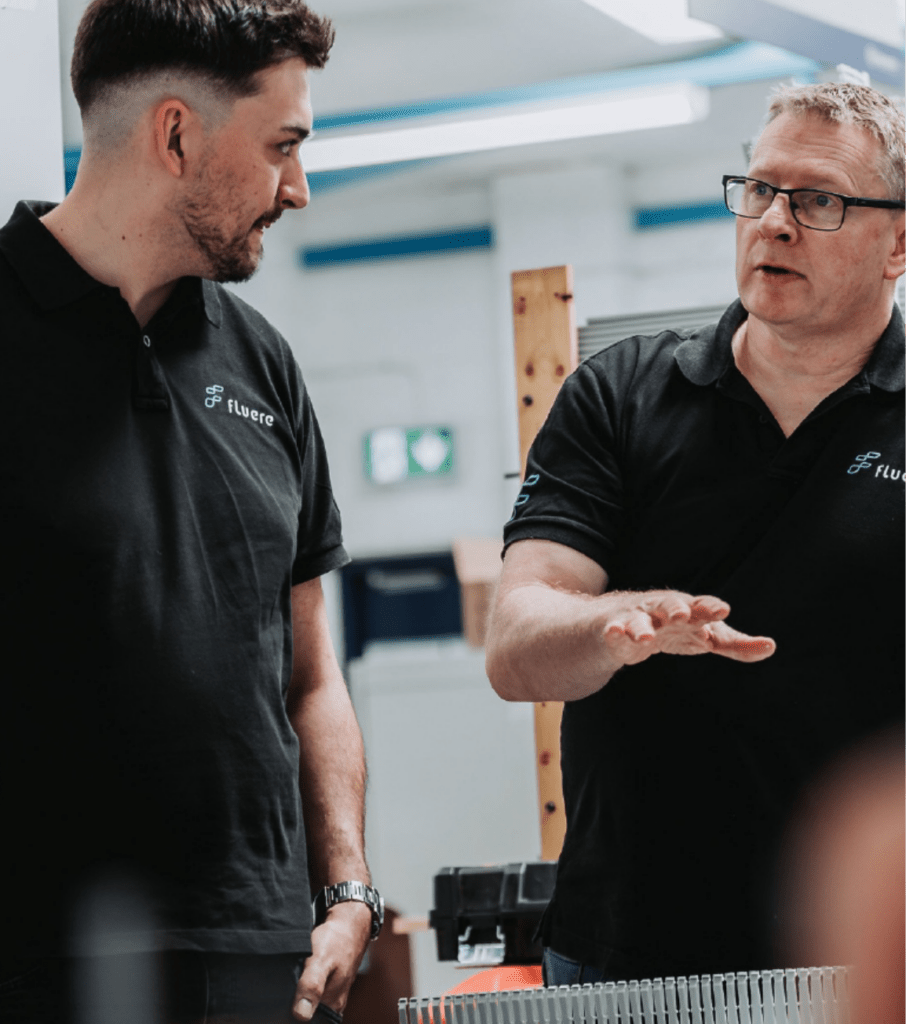
But success makes it worth it.
Keeping costs down whilst increasing productivity and profit is at the heart of every business. Here at Fluere we are specialists in analysing businesses to identify where your factory can improve and drive better results.
We help UK manufacturers achieve and sustain market-leading efficiency by significantly reducing downtime, improving throughput, and increasing operational performance.
Email us at info@fluere.co.uk to find out what we can do for your business.